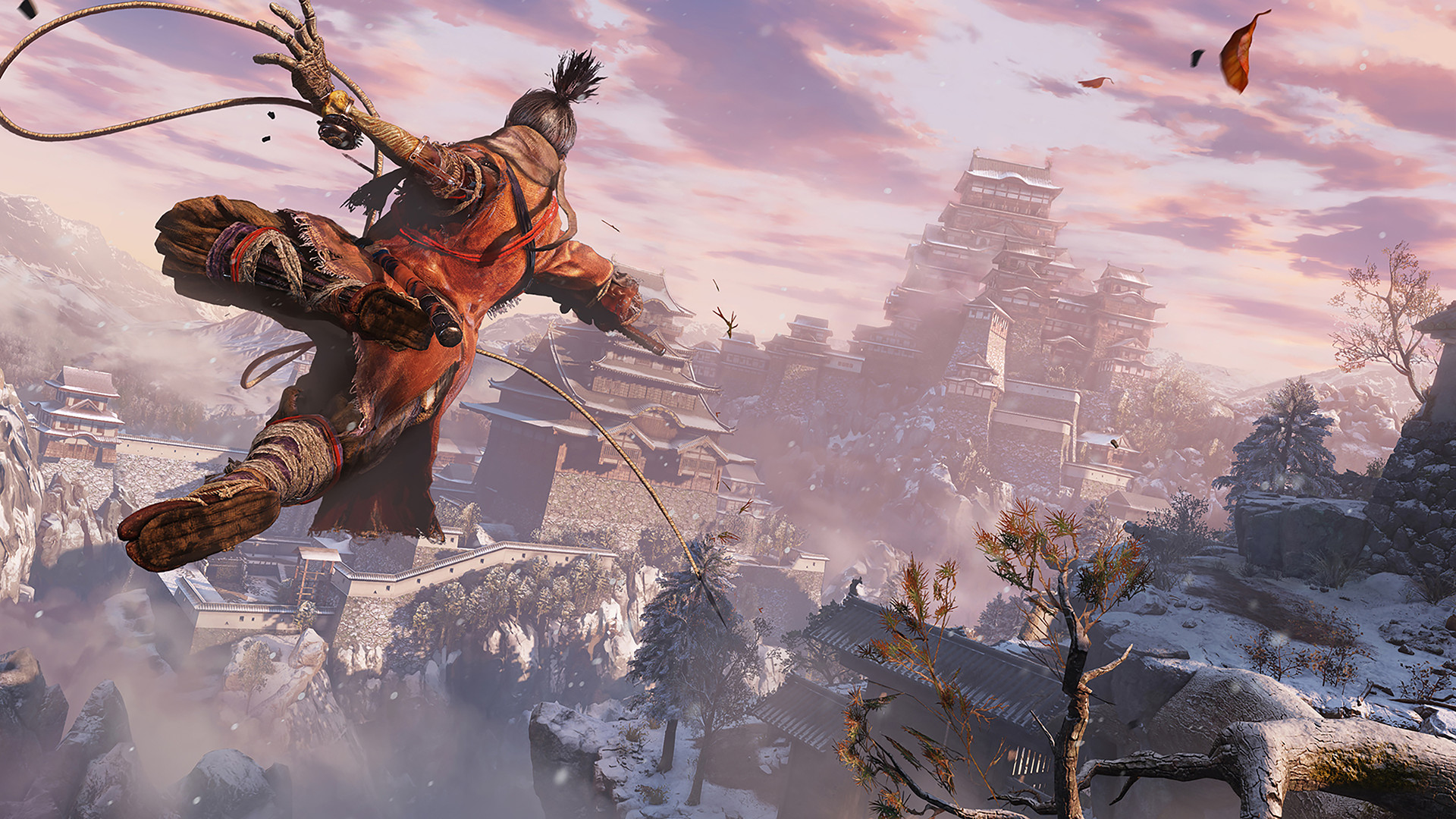
Sekiro: Shadows Die Twice has been putting new players through the wringer since 2019, and with an anime adaptation now bringing fresh attention to the game, more people than ever are picking it up for the first time — and bouncing off it hard. If you’re one of them, this guide is here to fix that.
Why Sekiro Plays Differently
If you’ve played Dark Souls or Elden Ring and expect Sekiro to work the same way, that’s the first thing to unlearn. There’s no build variety, no co-op summons to bail you out, and no option to just overlevel your way past a hard boss. You play as Wolf, a shinobi bound to protect a young lord, in a reimagined Sengoku-era Japan — and FromSoftware built the entire combat system around one core idea: aggression and precision beat patience and caution.
Master the Posture System
This is the single most important thing to understand before you touch the controller. Sekiro isn’t about draining an enemy’s health bar through attrition — it’s about breaking their posture. Every enemy has a posture meter that fills as they take hits and, more importantly, as they get their attacks deflected. Once it’s full, you land a lethal Shinobi Deathblow regardless of how much health they have left.
Core tip: Deflecting (a well-timed block right before impact) does far more posture damage than dodging or tanking hits. Learning to deflect instead of dodge is the single biggest skill jump in Sekiro.
The flip side is that your own posture can break too, so this is a real back-and-forth — but the game is designed to reward players who stay aggressive and keep pressure on rather than turtling defensively.
Your Shinobi Prosthetic
Wolf’s prosthetic arm isn’t a side gimmick — it’s a core part of combat that a lot of new players underuse. Tools like the Shuriken, Firecracker, and Loaded Axe each counter specific enemy types or attack patterns, and upgrading them at the Sculptor’s Idol makes a real difference against tougher fights.
Tip: The Firecracker is especially useful early on — it stuns most beast-type enemies and briefly staggers many humanoid ones, buying you a free opening.
Death Isn’t Always the End
Wolf has a resurrection ability that lets him revive once mid-fight instead of dying outright — but it’s not a free pass. Using it too often spreads a status called Dragonrot to NPCs around the world, which has real consequences for side content. It’s a resource to use with intention, not a crutch to lean on every single death.
Beginner Mistakes to Avoid
- Playing it like Dark Souls — dodge-rolling everything instead of deflecting will make every fight feel unfair. It isn’t; the approach is just wrong.
- Ignoring the prosthetic tools — some bosses are dramatically easier once you use the right tool against them.
- Panic-mashing dodge under pressure — standing your ground and deflecting is almost always the better instinct once you trust it.
- Skipping the tutorial areas — Ashina Outskirts and the early game teach mechanics you’ll need for everything after.
Heads up: Sekiro has no easy mode and no way to summon help for boss fights. If you're looking for a gentler entry into FromSoftware's games, this isn't it — but that difficulty is also exactly why beating it feels so good.
The Anime Is Coming
Adding to why this is a great time to jump in: an official anime adaptation titled Sekiro: No Defeat is on the way, confirmed for a 2026 release on Crunchyroll. It’s being produced as a fully hand-drawn 2D series, aiming to recreate the game’s boss fights and combat rhythm rather than just retelling the story in a generic style. For a game this beloved to get a proper anime treatment says a lot about how much it’s stuck with players since 2019.
JoystickVerse Verdict
Sekiro asks more of you than almost any other action game out there, and that's exactly why it's worth the trouble. Once the posture system clicks, fights stop feeling unfair and start feeling like a conversation — deflect, pressure, deflect, punish. Give it real time before you decide it's not for you. Most people who bounce off Sekiro do it in the first two hours, and almost everyone who pushes past that point ends up loving it.